لطفاً نظر خود را انتخاب کرده و ثبت کنید:
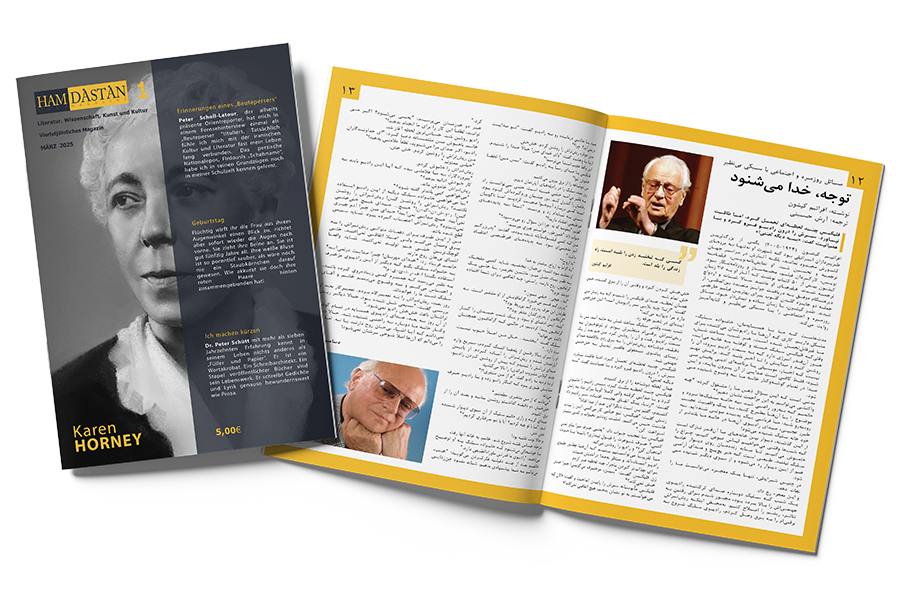
با درود و احترام به پیشگاه فرهیختگان قلم و اندیشه،
مجلهی «همداستان» در آستانهی فصلی نو از فعالیتهای فرهنگی خود، صمیمانه از شما فرهیختهی گرانقدر دعوت میکند تا با تراوشات قلم زرین خویش، زینتبخش صفحات این جریده باشید.
ما بر این باوریم که واژگان، پلهایی استوار میان جانهای آگاهاند و هر واژهی برخاسته از دل، میتواند جانی تازه در کالبد ادبیات معاصر بدمد.
. برای تسهیل روند همکاری و حفظ کیفیت و یکپارچگی مطالب، خواهشمند است پیش از ارسال اثر، ضوابط زیر را مطالعه فرمایید:
آثار ارسالی باید در یکی از سهدستهی اصلی زیر باشند:
دلنوشتههای نغز: واگویههایی سرشار از لطافت و تاملات درونی.
داستانهای کوتاه: روایاتی خلاقانه که آینهی تمامنمای زیست انسان امروز باشد.
جستارها و مقالات ادبی، علمی، فرهنگی و هنری: تحلیلهایی عمیق و عالمانه در حوزهی علم، فرهنگ، هنر و نقد ادبی.
حد و حدود واژهها
برای حفظ حوصلهی مخاطبِ وب و یکپارچگی ظاهری مجله، محدودیتهای زیر برای آثار در نظر گرفته شده است:
دلنوشتهها و قطعات ادبی: بین ۳۰۰ تا ۸۰۰ واژه.
داستانهای کوتاه: بین ۱۰۰۰ تا ۴۰۰۰ واژه. (چنانچه داستان شما بلندتر است، با هماهنگی سردبیر میتواند بهصورت دنبالهدار و پاورقی منتشر شود).
مقالات و جستارها: بین ۱۵۰۰ تا ۵۰۰۰ واژه.
نحوه و نوع نوشتار
معیار اصلی: شیوایی بیان و رعایت فخامت زبانی، اولین معیار پذیرش آثار در این نشریه است.
اصول نگارشی: نویسندگان موظفاند ساختار درست زبان فارسی، علائم سجاوندی (نشانهگذاریها) و قواعد فاصلهگذاری (بهویژه نیمفاصلهها) را رعایت کنند.
اصالت اثر و ارجاعات: مقالات علمی، فرهنگی و تحلیلی باید مستند باشند. در صورت استفاده از منابع، کتابها یا نقلقولها، ذکر دقیق منبع الزامی است.
تواتر زمانی و سیاست بررسی آثار
تواتر ارسال: برای ایجاد فرصت برابر برای تمامی نویسندگان و حفظ تنوع قلمها در مجله، هر نویسنده میتواند حداکثر دو یا سه اثر در ماه برای بررسی ارسال کند.
زمان بررسی: هیئت تحریریهی مجله متعهد میشود که حداکثر ظرف مدت دو الی سه هفته کاری پس از دریافت فایل، نتیجهی بررسی (پذیرش، نیاز به ویرایش یا عدم انطباق با سیاستهای مجله) را به نویسنده اعلام نماید.
انحصار انتشار: ترجیح مجله بر این است که آثار ارسالی (بهویژه مقالات و داستانها)، پیشتر در رسانهها و وبسایتهای دیگر منتشر نشده باشند.
شرایط و نحوهی ارسال آثار
خواهشمند است آثار خود را با رعایت دقیق نکات ذیل ارسال نمایید:
فرمت فایل: فایل ارسالی ترجیحاً در قالب Word (پسوند docx.) باشد تا امور ویراستاری تسهیل گردد.
مشخصات نویسنده: در صفحهی اول فایل یا متن پیام، حتماً نام و نام خانوادگی به همراه یک قطعه عکس، شماره تماس و خلاصهای کوتاه از رزومهی ادبی خود را درج کنید.
راه ارتباطی: فایلهای خود را منحصراً از طریق پست الکترونیک مجله به نشانی ghalam@ham-dastan.com و یا پیامرسانهای رسمی مجله ارسال فرمایید.
امید است که با همراهی شما نادرهگفتاران، مجلهی «همداستان» بتواند گامی استوار در مسیر اعتلای فرهنگ و ادب پارسی بردارد.
با تجدید احترام و سپاس
سردبیر مجلهی همداستان